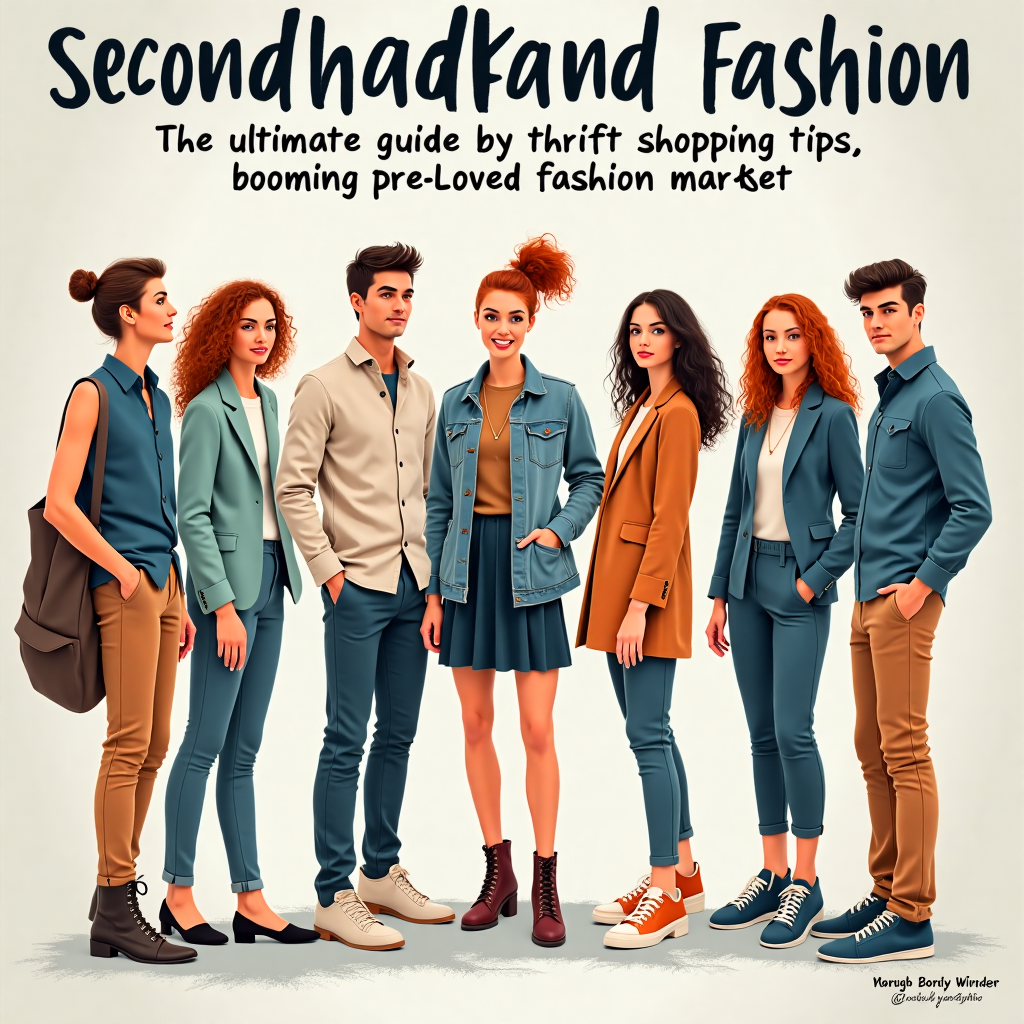
The world of fashion is undergoing a profound transformation. Gone are the days when wearing pre-owned clothing carried a stigma or was seen as a last resort for those on a tight budget. Today, secondhand fashion has exploded into a global movement, celebrated by influencers, designers, and everyday consumers alike. The pre-loved fashion market is not just surviving; it is thriving, reshaping how we think about style, sustainability, and personal expression. Whether you are a seasoned thrifter or a curious newcomer, understanding the ins and outs of thrift shopping, vintage clothing, and the broader resale economy can unlock a world of unique finds, significant savings, and a lighter environmental footprint.
The Rise of the Pre-Loved Fashion Market
Over the past decade, the pre-loved fashion market has transformed from a niche segment into a multi-billion-dollar industry. Major resale platforms, from online marketplaces to curated consignment boutiques, have reported extraordinary growth rates that consistently outpace traditional retail. This surge is driven by a confluence of factors: growing environmental awareness, a desire for unique and authentic style, and the economic appeal of high-quality clothing at a fraction of its original price. Younger generations, particularly Gen Z and Millennials, have embraced secondhand shopping not as a compromise but as a badge of honor—a conscious choice that aligns with their values and sets them apart from fast fashion homogeneity.
The rise of social media has also played a pivotal role. Platforms like Instagram, TikTok, and Pinterest are flooded with thrift haul videos, vintage outfit inspiration, and tutorials on how to upcycle or alter secondhand pieces. Hashtags related to thrifting and vintage fashion generate billions of views, creating a vibrant community that shares tips, celebrates finds, and normalizes the idea that pre-owned clothing is not only acceptable but highly desirable. This digital word-of-mouth has broken down barriers and introduced thrift shopping to audiences who might never have set foot in a charity shop or consignment store before.
Retailers have taken notice as well. Many mainstream brands now offer their own resale or take-back programs, while luxury fashion houses are investing in authentication and resale partnerships. The stigma that once clung to secondhand clothing has been replaced by a sense of prestige and exclusivity—scoring a rare vintage designer piece or a perfectly broken-in leather jacket is now a point of pride. The pre-loved fashion market is no longer the alternative; for many, it is the first choice.
Why Secondhand Fashion Is More Than a Trend
Secondhand fashion is not merely a passing fad. It represents a fundamental shift in consumer behavior and values. Understanding why this movement has staying power can help you appreciate the deeper benefits of thrift shopping and vintage clothing, beyond just the thrill of the hunt.
Sustainability and Environmental Impact
The fashion industry is one of the largest polluters on the planet, responsible for massive carbon emissions, water consumption, and textile waste. Every year, millions of tons of clothing end up in landfills, much of it barely worn. By choosing secondhand fashion, you are directly extending the life of garments and reducing demand for new production. This simple act conserves resources, reduces pollution, and helps combat the throwaway culture that fast fashion has perpetuated. Thrift shopping is a tangible way to vote with your wallet for a more sustainable future.
Unique Personal Style
In a world where fast fashion churns out identical trends at breakneck speed, secondhand fashion offers a refuge for individuality. Thrift stores and vintage shops are treasure troves of one-of-a-kind pieces, from retro silhouettes to quirky prints that you will never see on a dozen other people at a party. Building a wardrobe from pre-loved items allows you to curate a look that is authentically yours, mixing eras and styles in ways that mass-produced clothing simply cannot replicate. The joy of finding a vintage dress from the 1970s or a perfectly worn-in denim jacket is unmatched by the experience of buying something off a rack that thousands of others own.
Affordability and Value
Let’s face it: quality clothing can be expensive. Secondhand shopping offers an incredible value proposition. You can often find high-quality, well-made garments from reputable brands for a fraction of their original retail price. In many cases, older clothing was constructed with better materials and craftsmanship than today’s fast fashion, meaning a vintage wool coat or a pair of leather boots from a thrift store can outlast brand-new items from budget retailers. For those who love luxury fashion but cannot justify the price tag, the pre-loved market is the ultimate equalizer, making designer pieces accessible without the guilt.
Thrift Shopping Tips for Beginners and Pros
Thrift shopping is both an art and a science. While the unpredictable nature of thrift stores is part of the appeal, having a strategy can dramatically improve your success rate and make the experience more enjoyable. Whether you are stepping into a charity shop for the first time or looking to refine your thrifting skills, these tips will help you shop smarter and score better finds.
Before You Go
Preparation is key to a successful thrift trip. A little forethought can save you time, money, and frustration.
- Set a budget: Thrift stores can be tempting with their low prices. Decide how much you are willing to spend before you walk in, and stick to it.
- Have a list, but stay flexible: Know what you need—a winter coat, a summer dress, a pair of jeans—but be open to unexpected treasures. The best finds are often things you never knew you wanted.
- Dress appropriately: Wear comfortable clothing and shoes that are easy to slip on and off. Many thrift stores have limited or no fitting rooms, so wearing leggings and a fitted top allows you to try on items over your clothes.
- Bring a measuring tape: Sizes vary wildly across eras and brands. Knowing your measurements (bust, waist, hips, inseam) and having a tape on hand can save you from buying items that will never fit properly.
- Charge your phone: You will want it for checking brand names, researching vintage labels, or looking up inspiration.
In the Store
Once you are inside, the real work begins. Thrift stores can be overwhelming, with racks packed tightly and items in no particular order. Approach them with a plan.
- Scan quickly, then dig deeper: Run your hand along the rack and let your eyes scan for colors, patterns, and textures that catch your attention. If a section feels promising, take your time and go piece by piece.
- Check every item thoroughly: Look for stains, holes, missing buttons, broken zippers, and signs of excessive wear. Many issues can be fixed, but know your limits and factor repair costs into the price.
- Ignore the size tag: As mentioned, sizing is inconsistent. Always hold items up to your body or try them on. A vintage size 12 might fit like a modern size 8.
- Look beyond your usual sections: Do not be afraid to browse the men’s section for oversized shirts or the children’s section for smaller frames. Some of the best finds are hidden in unexpected places.
- Check the material composition: Look for natural fibers like cotton, wool, silk, linen, and leather. These materials age better and feel more luxurious than synthetic blends.
After the Haul
Your thrift shopping journey does not end at the checkout counter. A few post-shopping steps will ensure your new-to-you pieces become beloved wardrobe staples.
- Wash or dry clean everything: Even if an item looks clean, it is essential to clean it thoroughly before wearing. Follow care labels carefully, especially for delicate vintage fabrics.
- Make minor repairs promptly: Sew on a missing button, fix a loose hem, or polish scuffed leather. A little TLC can transform a good find into a great one.
- Tailor for the perfect fit: If you find a piece you love but the fit is slightly off, consider taking it to a tailor. A small alteration cost can make a thrifted item look like it was made for you.
- Store properly: Use padded hangers for delicate items, fold knits to prevent stretching, and keep leather and wool away from moisture and pests.
How to Spot Quality Vintage Clothing
Vintage clothing is a subset of secondhand fashion that refers to garments that are at least 20 years old. True vintage pieces carry a charm and craftsmanship that modern clothing often lacks, but distinguishing genuine vintage from simply old or reproduction items requires knowledge and a discerning eye.
Fabric and Construction
One of the biggest tells of vintage clothing is the quality of materials and construction. Before the rise of fast fashion, garments were typically made to last. Look for natural fabrics like silk, wool, cotton, and linen, and check the seams and hems. Vintage pieces often feature French seams, bound buttonholes, and hand-stitched details that indicate higher quality. Metal zippers, often marked with brands like Talon or Conmar, are a strong indicator of pre-1970s clothing. In contrast, modern fast fashion often uses plastic zippers and serged seams that are quicker and cheaper to produce.
Labels and Eras
The label inside a garment can provide valuable clues about its age and origin. Older labels were often woven, with intricate details, while modern labels are usually printed. Union labels, such as those from the International Ladies’ Garment Workers’ Union (ILGWU), were common in mid-20th-century American clothing and can help date a piece to a specific era. Country-of-origin labels also offer hints: “Made in USA” was standard before manufacturing shifted overseas in the 1980s and 1990s. Researching brand names and label styles online can help you authenticate vintage finds and estimate their age.
Signs of Wear and Authenticity
Some wear is expected with vintage clothing, but you need to distinguish between charming patina and problematic damage. Light fading, soft fabric, and minor pilling can add character, but large stains, rips, or irreparable damage should be avoided unless you are a skilled upcycler. Authentic vintage pieces may show signs of alteration or repair from previous owners, which can actually add to their story. However, be cautious of items that have been over-dyed or heavily modified to hide flaws. Always inspect under bright light and trust your instincts—if something feels too damaged or too good to be true, it probably is.
Navigating the Pre-Loved Fashion Market Online
While brick-and-mortar thrift stores offer the thrill of the hunt, the online pre-loved fashion market has opened up a world of convenience and selection. From major resale platforms to niche vintage boutiques, shopping secondhand online requires a different set of skills.
When shopping online, always read descriptions carefully and look at multiple photos, including close-ups of fabric, labels, and any flaws. Sellers on reputable platforms often include measurements, which are far more reliable than size tags. Do not hesitate to message sellers with questions about fit, condition, or provenance. Pay attention to return policies, as not all secondhand sellers accept returns. For higher-priced or designer items, choose platforms that offer authentication services to protect yourself from counterfeits.
Popular online destinations include general resale apps where individuals list their own clothing, curated consignment sites that hand-pick items, and specialized vintage shops that focus on specific eras or styles. Social media marketplaces and dedicated thrift communities on platforms like Instagram and Depop have also become fertile ground for unique finds. The key is to be patient, set alerts for specific searches, and act quickly when something special appears—great online thrift finds often sell within minutes.
Building a Secondhand Wardrobe
Thrift shopping and vintage hunting are not just about random impulse buys. With a bit of intention, you can build a cohesive, versatile wardrobe entirely from pre-loved pieces. This approach not only saves money but also creates a closet that reflects your true personal style.
Start with a Capsule Mindset
Instead of buying every interesting item you see, focus on versatile staples that can be mixed and matched. Look for quality basics like a well-fitting pair of jeans, a classic blazer, a simple black dress, and neutral knitwear. Vintage versions of these staples often have superior construction and a timeless appeal. Once you have a solid foundation, you can add statement pieces—a bold 1970s print blouse, a 1950s circle skirt, or a funky 1980s windbreaker—that inject personality into your outfits.
Caring for Pre-Loved Garments
Extending the life of your secondhand finds is part of the sustainable ethos. Learn basic clothing repair skills like sewing buttons, patching holes, and hemming pants. Invest in proper storage solutions, such as cedar blocks for wool, breathable garment bags for delicate items, and flat storage for knits. Follow care labels, but when labels are missing or faded, err on the side of gentle washing in cold water and air drying. For valuable or delicate vintage pieces, consult a professional cleaner who specializes in vintage textiles.
Remember that pre-loved fashion is a journey, not a destination. Your wardrobe will evolve as you discover new thrift stores, learn more about vintage eras, and refine your personal style. The imperfections and histories of secondhand pieces are part of their charm, connecting you to previous owners and to a more sustainable way of consuming fashion.
Conclusion
The world of secondhand fashion, thrift shopping, vintage clothing, and the pre-loved fashion market is rich with opportunity, creativity, and purpose. It offers a path away from the environmental destruction of fast fashion, toward a wardrobe that is unique, affordable, and deeply personal. Whether you are digging through racks at a local charity shop, bidding on a vintage designer piece online, or learning to care for a decades-old wool coat, every secondhand purchase is a small act of rebellion against throwaway culture and a celebration of enduring style.
As the pre-loved fashion market continues to grow, so too does the community of thrifters, vintage lovers, and conscious consumers who are proving that fashion does not have to cost the earth. So grab your measuring tape, keep an open mind, and dive into the wonderful world of secondhand fashion. The perfect pre-loved piece is out there waiting for you—and it has a story to tell.